Call Us Now : 937-707-8701


Mosquito Control Services in Central Ohio
Columbus, Ohio, and its surrounding counties—Franklin, Delaware, Union, Madison, Licking, Fairfield, and Pickaway—experience significant mosquito activity from late spring to early fall, typically May through September. The region’s warm, humid climate and abundant water sources create ideal breeding grounds for mosquitoes. With over 60 mosquito species in Ohio, including disease-carrying types like Aedes vexans, Culex pipiens, and Anopheles quadrimaculatus, controlling mosquito populations is critical for public health and outdoor enjoyment. Mosquitoes in Central Ohio can transmit serious diseases like West Nile virus and La Crosse encephalitis, making prevention and control a priority for residents.


Why Choose Buckeye Mosquito for Central Ohio Mosquito Control?
Central Ohio’s warm, humid summers make it a haven for mosquitoes, turning your backyard into a battleground. At Buckeye Mosquito, we specialize in creating mosquito-free outdoor spaces for families in Columbus, Dublin, Powell, Westerville, and surrounding areas. Our proven mosquito control services protect your loved ones from itchy bites and mosquito-borne diseases like West Nile virus and Zika, ensuring you can enjoy your yard worry-free.
-
Locally Owned Expertise: As a Central Ohio-based company, we understand the unique mosquito challenges in areas like Franklin, Delaware, and Union counties.
-
Guaranteed Results: Our treatments are so effective that we guarantee you won’t be bothered by mosquitoes between visits—or we’ll return at no extra cost.
-
No Contracts, No Hassle: Enjoy flexible services with no long-term commitments. Cancel anytime with a simple call.
-
Eco-Friendly Options: Choose our all-natural mosquito treatments for environmentally conscious protection.
Our Four-Step Mosquito Control Process
At Buckeye Mosquito, we use a science-backed, four-step process tailored to Central Ohio’s mosquito species, including the Asian Tiger Mosquito and Common House Mosquitoes in our region:

Identify the Problem
Our technicians inspect your property, from wooded areas in New Albany to suburban yards in Dublin, to pinpoint mosquito breeding and hiding spots.

Find the Right Solution
We design a custom treatment plan based on your property’s size, layout, and the specific mosquito challenges in Central Ohio’s climate.

Treat Your Property
Using advanced barrier sprays, we target non-flowering shrubs and standing water areas where mosquitoes thrive, ensuring quick and effective results.

Keep You Mosquito-Free
We schedule recurring treatments every 30 days to maintain a protective barrier, with our no-mosquito guarantee backing every service.
Mosquito Hotspots in Columbus and Surrounding Counties
Mosquito populations thrive in areas with standing water, dense vegetation, and shaded environments. Based on local health department data and mosquito trapping efforts, the following areas are notable hotspots in Central Ohio:

Franklin County (Columbus, Westerville, Dublin)
Franklin County reports the highest number of West Nile virus-positive mosquito samples, with 71 positive traps in 2024. Urban parks like Franklin Park Conservatory, wooded areas in Upper Arlington, and suburban yards in Hilliard are prime breeding grounds due to standing water in birdbaths, gutters, and low-lying areas.

Delaware County (Delaware, Lewis Center, Powell)
With nine positive West Nile virus samples, Delaware County’s rural and suburban areas, including Alum Creek State Park, see high mosquito activity in wetlands and near ponds.

Licking County (Granville, Newark)
Licking County has reported West Nile virus in mosquito samples and is home to the Asian Tiger mosquito, which breeds in small containers like tires and flowerpots. Wooded trails and residential areas with dense shrubs are hotspots.

Union and Madison Counties (Marysville, Plain City, Jerome Village)
These counties have fewer positive samples due to limited testing options but still face mosquito issues in residential and rural areas with slow-moving streams, artificial containers and agricultural fields that collect water.
Health Risks of Mosquitoes in Central Ohio
Mosquitoes are more than a nuisance—they pose significant health risks. Pets are also at risk, as mosquitoes can transmit heartworm to dogs and cats, a potentially life-threatening condition. In Ohio, the primary mosquito-borne diseases include:

West Nile Virus (WNV)
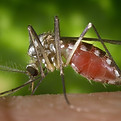
Transmitted by Culex pipiens, WNV is the most common mosquito-borne disease in Franklin County, with 157 positive mosquito samples across 26 counties in 2024. Most cases are mild, but severe cases can cause neurological issues.
La Crosse Encephalitis
Spread by the Eastern Treehole mosquito, this disease has seen 218 human cases in Ohio since 2014, primarily in children. It can cause fever, headache, and, in rare cases, severe neurological complications.

Travel-Related Diseases
While Zika, Dengue, and Malaria are not locally transmitted, travelers returning to Central Ohio from regions like Africa or South America can introduce these diseases. In 2024, Ohio reported 50 malaria cases and three dengue cases, all travel-related.
How to Avoid Mosquito Bites
Personal protection is the first line of defense against mosquitoes. Follow these tips to reduce your risk of bites:
Use insect Repellent
Apply EPA-registered repellents containing DEET, picaridin, or oil of lemon eucalyptus. Always follow label instructions, especially for children.
Wear Protective Clothing
Opt for long-sleeved shirts, long pants, and socks, especially during dawn and dusk when mosquitoes are most active. Light-colored clothing is less attractive to mosquitoes.
Avoid Peak Mosquito Hours
Limit outdoor activities at dawn, dusk, and early evening, when mosquitoes like the Northern House mosquito are most active.
Use Screens and Nets
Ensure windows and doors have tight-fitting screens. When camping in areas like Hocking Hills, use mosquito nets over sleeping areas.
Treated Gear
Use permethrin-treated clothing or gear for added protection, especially when hiking in wooded areas like Glacier Ridge Metro Park.
Preventing Mosquito Breeding on Your Property

Eliminate Standing Water and Improve Drainage
Empty birdbaths, flowerpots, and buckets weekly. Check for water in clogged gutters, tire swings, or low-lying areas after rain. Fill in low spots in your yard and ensure proper drainage in ditches or culverts to reduce pooling water.

Maintain Landscaping
Trim tall grass, shrubs, and overgrown vegetation where mosquitoes rest. Keep lawns mowed, especially in suburban areas like Dublin, Powell and New Albany.

Use Larvicides
Apply mosquito dunks (containing Bacillus thuringiensis israelensis) to ornamental ponds, rain barrels or unavoidable standing water. These are safe for pets and wildlife and available free from some county health departments.

Cover Water Containers
Store wheelbarrows, boats, or other items upside down or under cover to prevent water collection. Rain barrels are treatable with organic chemistry products designed specifically for drinking water.
Central Ohio Community Efforts and Resources
Central Ohio communities are proactive in mosquito management. Franklin County Public Health’s Mosquito Management Program traps and tests mosquitoes weekly, sharing data on their dashboard. The Ohio Mosquito & Vector Control Association provides educational resources, and local health departments offer free larvicides in some areas.